
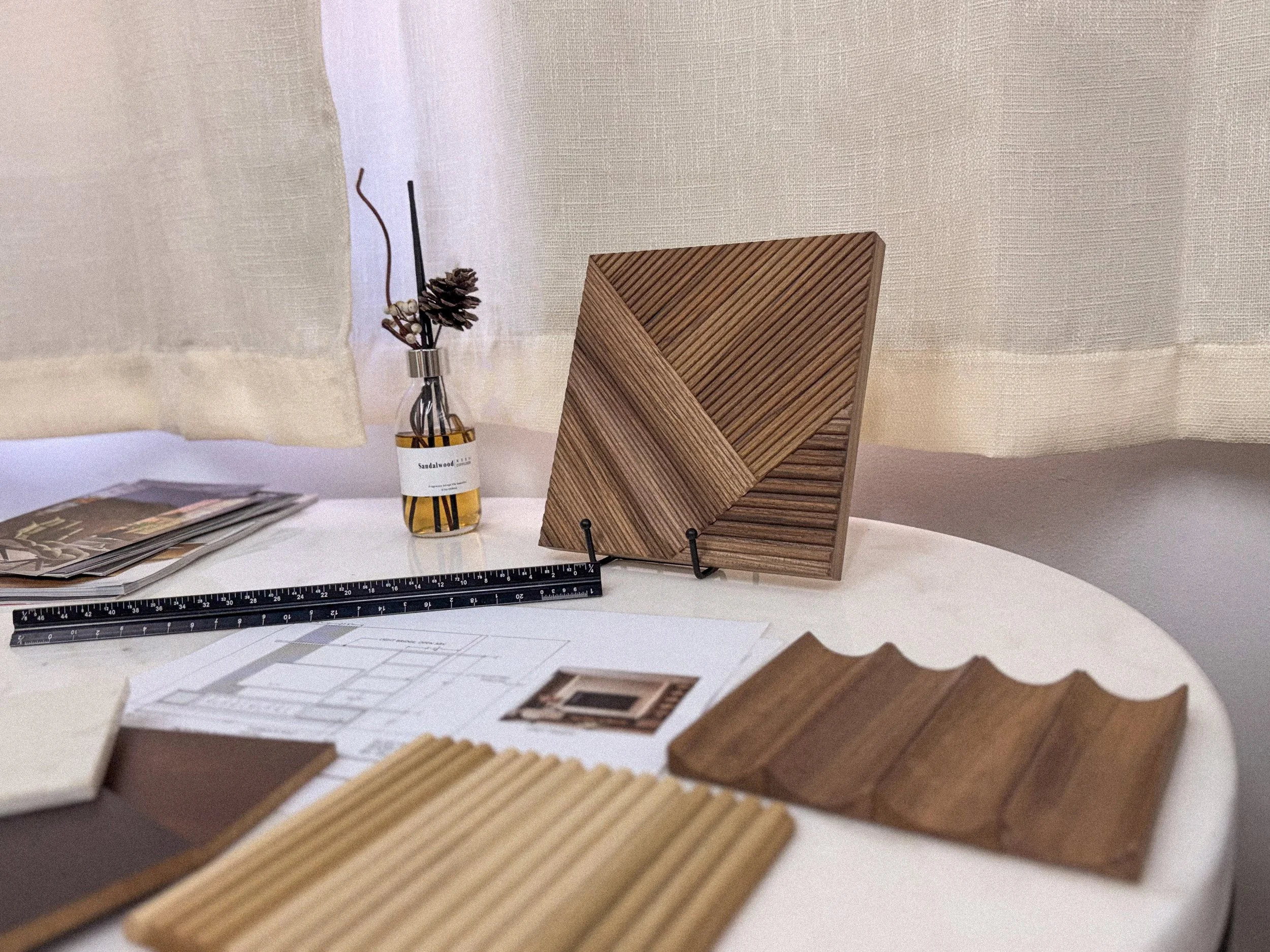
Design at Wavecrest is structured to support accurate planning, clear decision-making, and successful fabrication. Every custom project begins with a required planning phase, with optional visualization services available for clients who want additional clarity before work begins.
Design is not treated as an open-ended creative exercise. It is a disciplined process that protects scope, schedule, and build quality.
Design & Planning
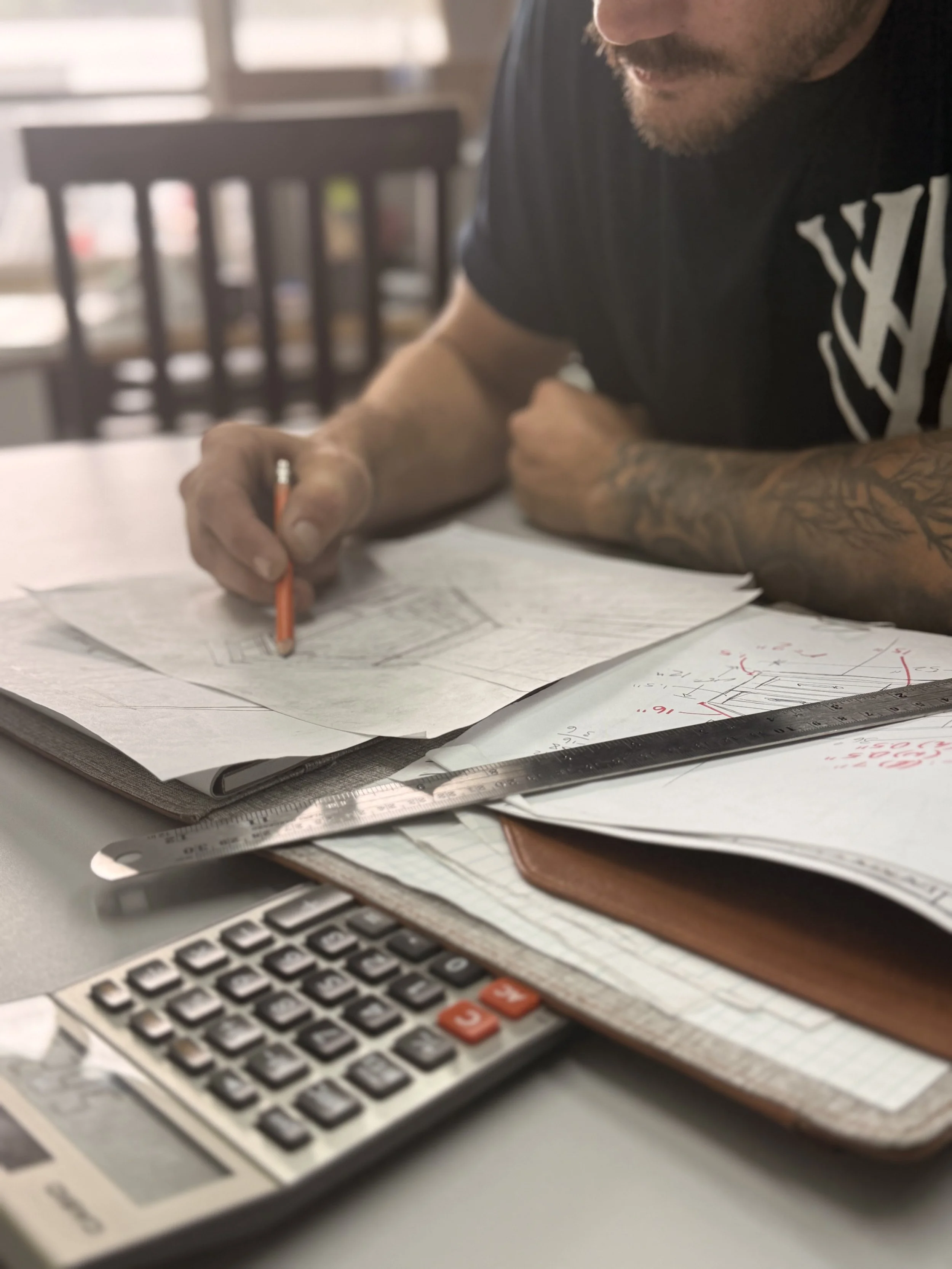
All Wavecrest projects begin with Design & Planning. This phase establishes the technical foundation of the project and secures time in our workflow.
This stage includes:
On-site field measurement
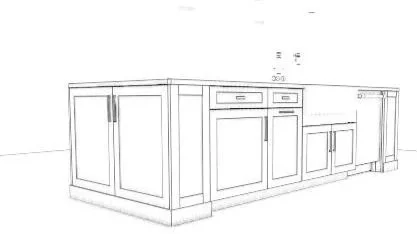
Scaled preliminary shop drawings
Layout validation and feasibility review
Initial material and construction considerations
Sampling support as required for planning
The resulting drawings and planning materials define scope, proportions, and build intent with accuracy. This work is yours to keep, regardless of whether you proceed to fabrication with Wavecrest.
Design Visualization
For clients who want to further refine decisions before fabrication, Wavecrest offers optional Design Visualization Services. These services build on the Design & Planning phase and provide visual clarity without altering the underlying build process.
Visualization is structured and scoped. It is intended to reduce uncertainty, align expectations, and prevent reactive changes once fabrication begins.
What We Provide:
Accurately scaled elevations and floor plans based on field measurements
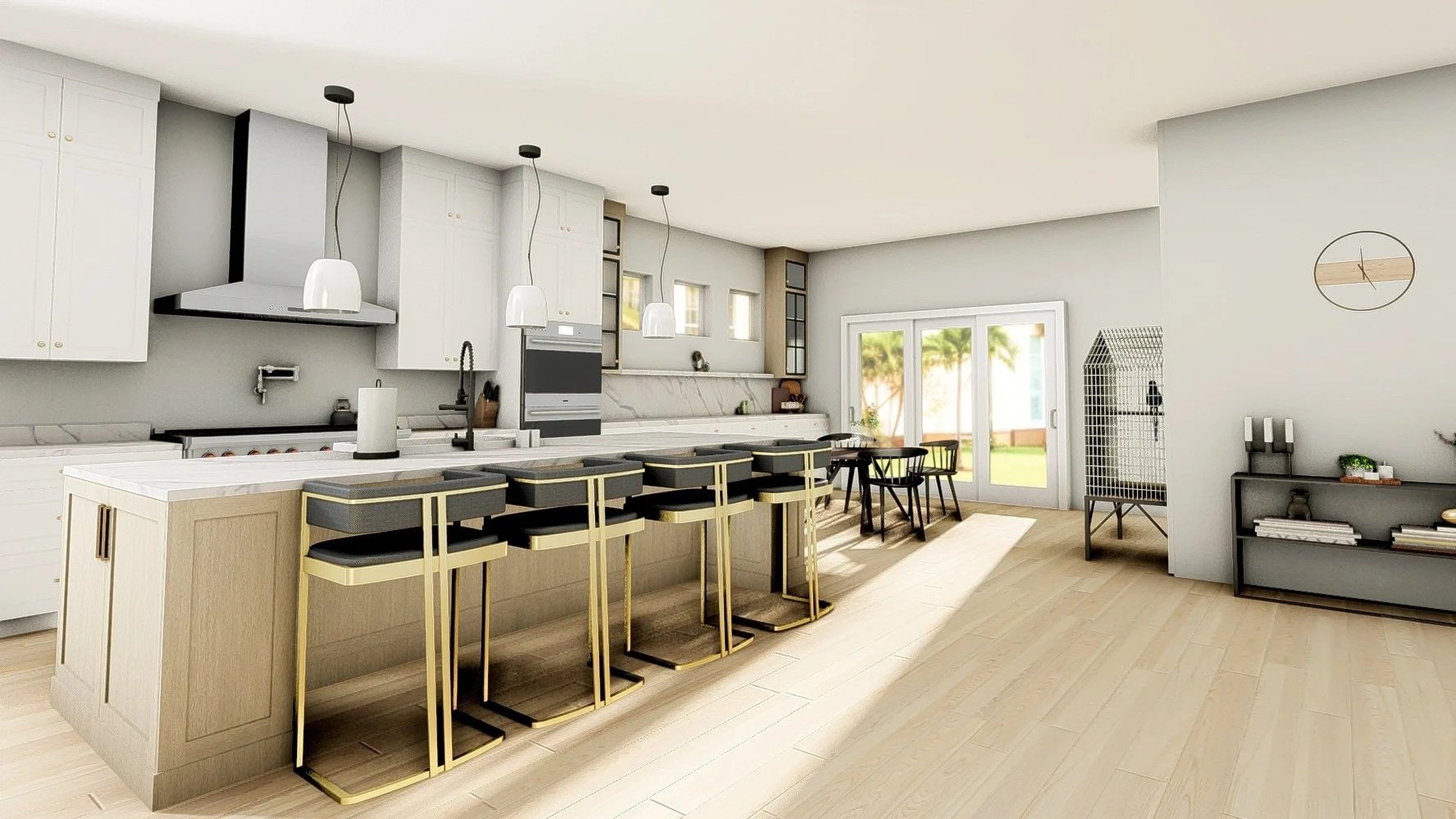
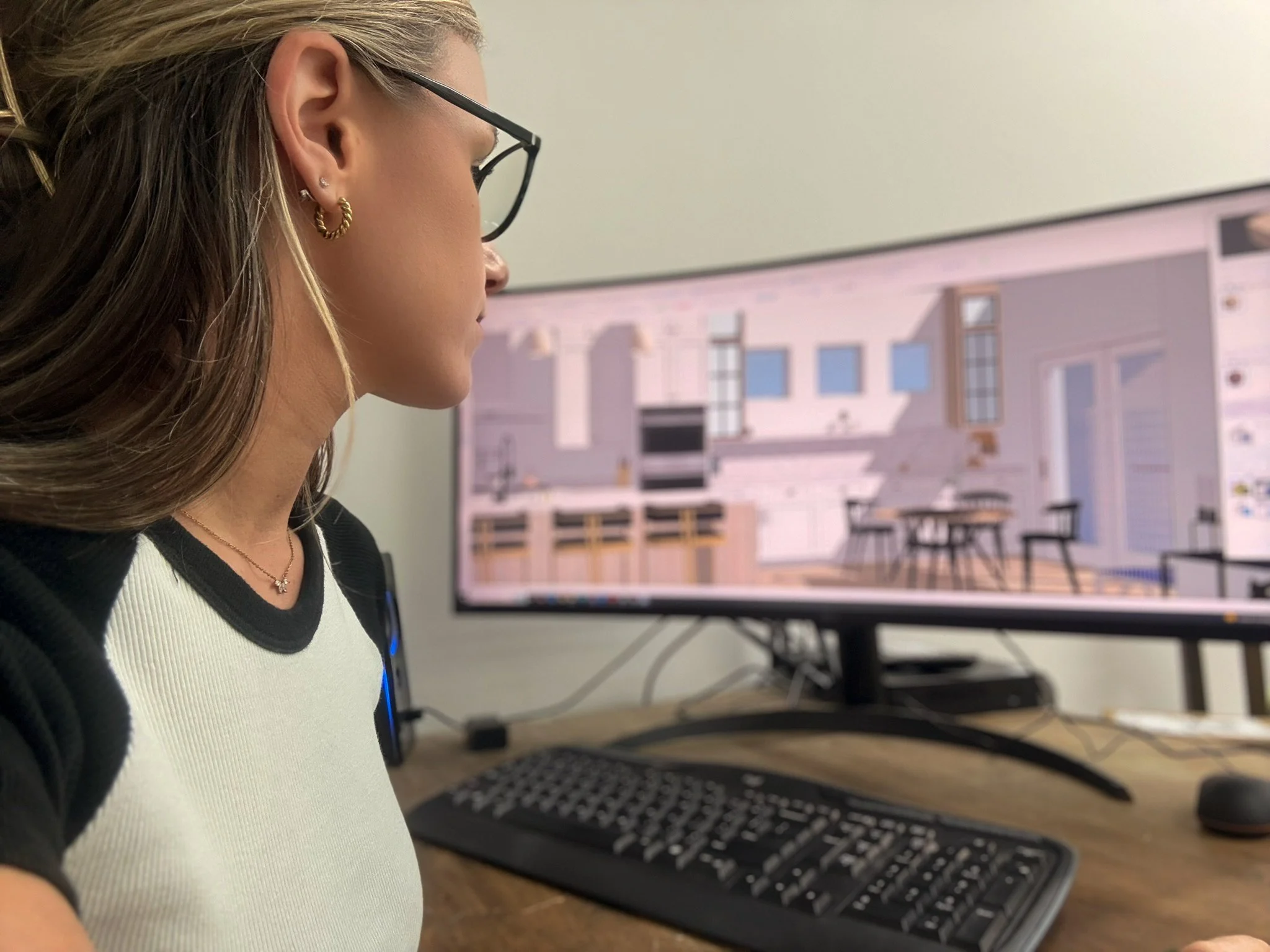
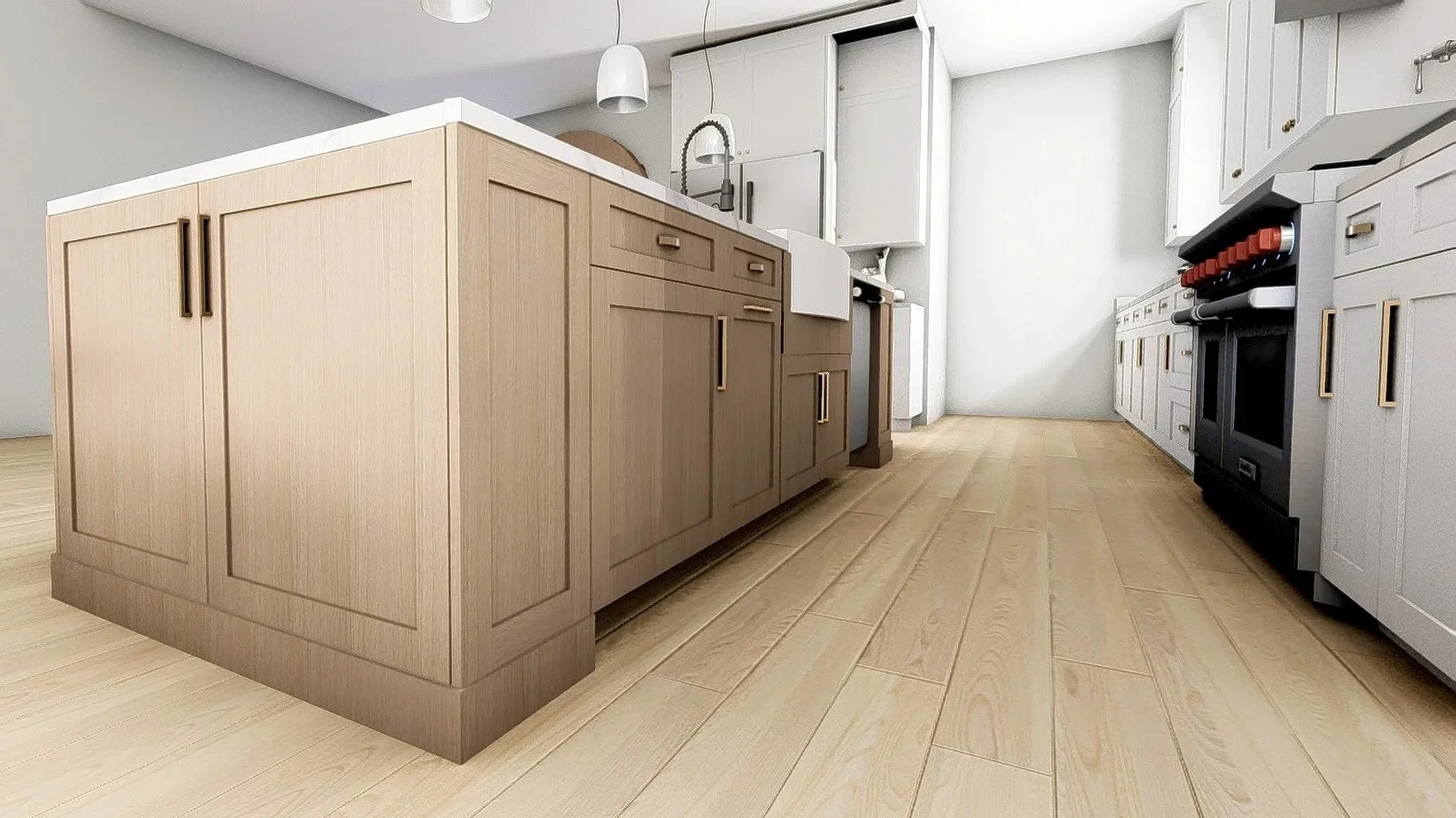
3D visualizations to confirm layout, proportion, and overall intent
Photorealistic 3D renderings
Visual references of options or comparisons
Room specific mood boards and collaboration
Smart storage suggestions that align with your needs
Structured revisions
Design services scale with the complexity of the project. Some projects require minimal visualization; others benefit from deeper refinement and presentation-level imagery. We’ll recommend the appropriate level based on scope, timeline, and decision-making needs.
How Design Is Used
Design and visualization are used to reduce uncertainty before material is ordered or cut. This process helps align expectations early, limits revisions during fabrication, and minimizes change orders once work is underway.
Good design is not about adding layers—it’s about removing risk.